6.7 Structure of the Duplicate ISRC Cluster Notification
The structure of the DuplicateIsrcClusterNotification is described in below. DuplicateIsrcClusterNotifications shall be communicated with the message exchange protocol defined in Part 1 of the ECM standard.
The DuplicateIsrcClusterNotification can be used to communicate 0-n Duplicate ISRC Clusters, and contains five sub-elements as depicted in Figure 3:
A mandatory
@AvsVersionIdcommunicates the version of the allowed value sets used in the message;The mandatory
LanguageAndScriptCodecommunicates the language and script for the elements of the message as defined in IETF RfC 5646. Language and script are communicated using the syntaxlang[-script][-region][-variant];A mandatory
MessageHeadercommunicates general message metadata as depicted in Figure 4;A mandatory
PartyListwith 1-nPartycomposites (depicted in Figure 5) describing parties related to musical works or recordings referenced from the Duplicate ISRC Clusters. Each Partymust have either aPartyNameor aPartyIdbut may also have both; andA mandatory array of
IsrcClustersas depicted in Figure 6 that describes 1-n Duplicate ISRC Clusters through:A mandatory
ClusterId, a unique identifier of the Duplicate ISRC Cluster allocated by the message sender;An optional
ClusterCreatorClusterId, a unique identifier of the Duplicate ISRC Cluster allocated by the party that originally created the cluster. This is required only when a notification is sent in response to another notification message. In that case, the ClusterId of the initial notification message shall be repeated in theClusterCreatorClusterIdto maintain a link between related messages.An optional array of
RequestedClusterId, linking the Duplicate ISRC Cluster back toDuplicateIsrcClusterRequest(s);An optional
ClusterCreator, referencing thePartycomposite describing the party that originally created the cluster;A mandatory
ClusterRoot, describing the resource that begets the Musical Work Cluster (see Figure 7); andAn optional array of
ClusterMembers, describing the resources that make up the Duplicate ISRC Cluster (see Figure 8).
Whether the ISRC designated as theClusterRootis also included as aClusterMember(or not) is governed by bilateral agreements between the Message Sender and Message Recipient.
The ISRC specified in a DuplicateIsrcClusterRequest must be included as either the ClusterRootor a ClusterMember in the corresponding DuplicateIsrcClusterNotification, as determined by the sender of the notification.
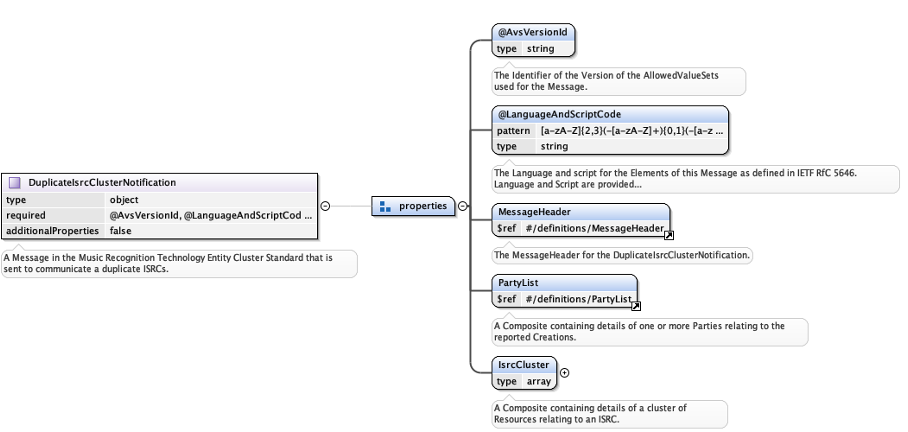
Figure 3 – Structure of the DuplicateIsrcClusterNotification
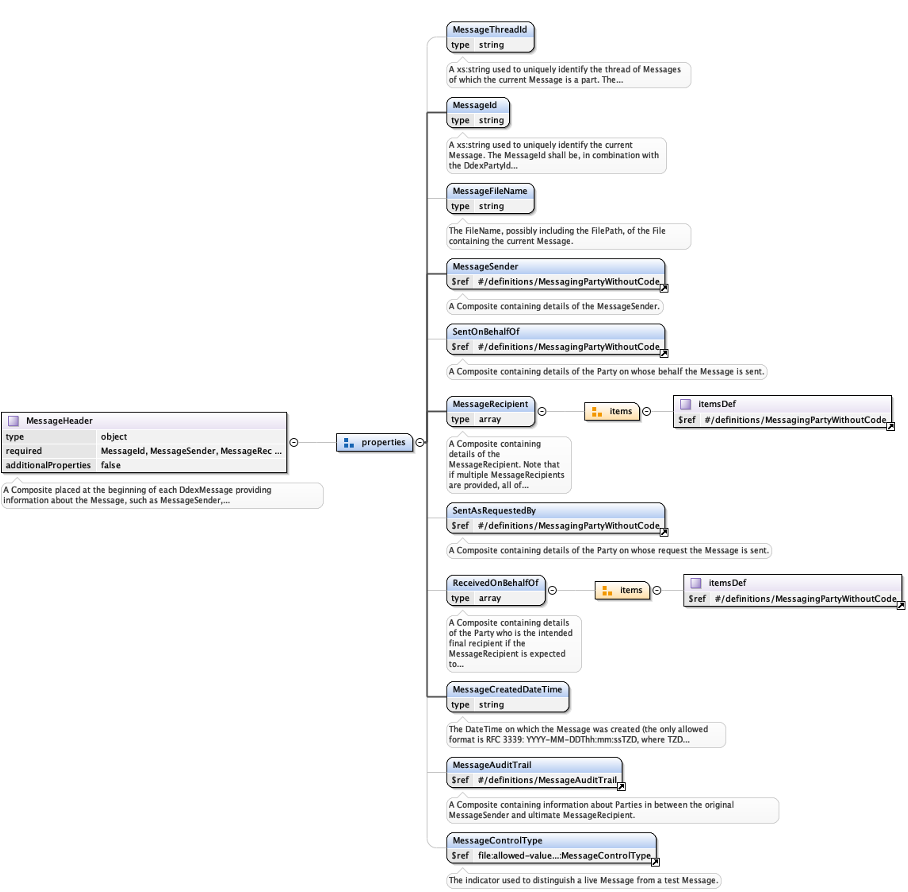
Figure 4 – Structure of the MessageHeader composite
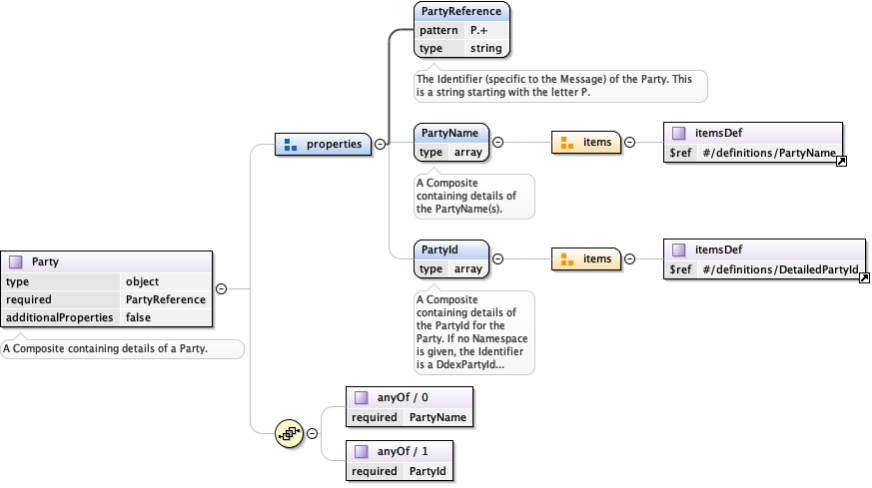
Figure 5 – Structure of the Party composite
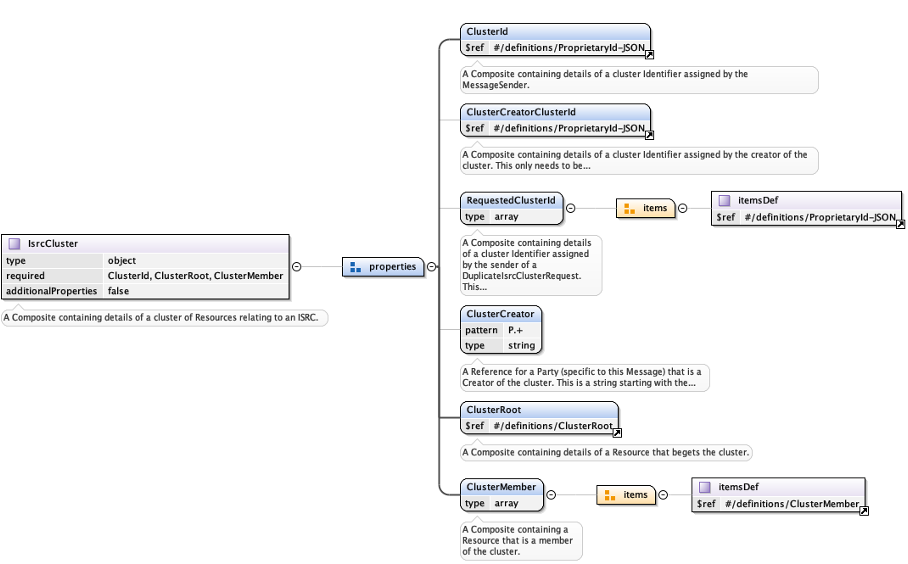
Figure 6 – Structure of the IsrcCluster composite
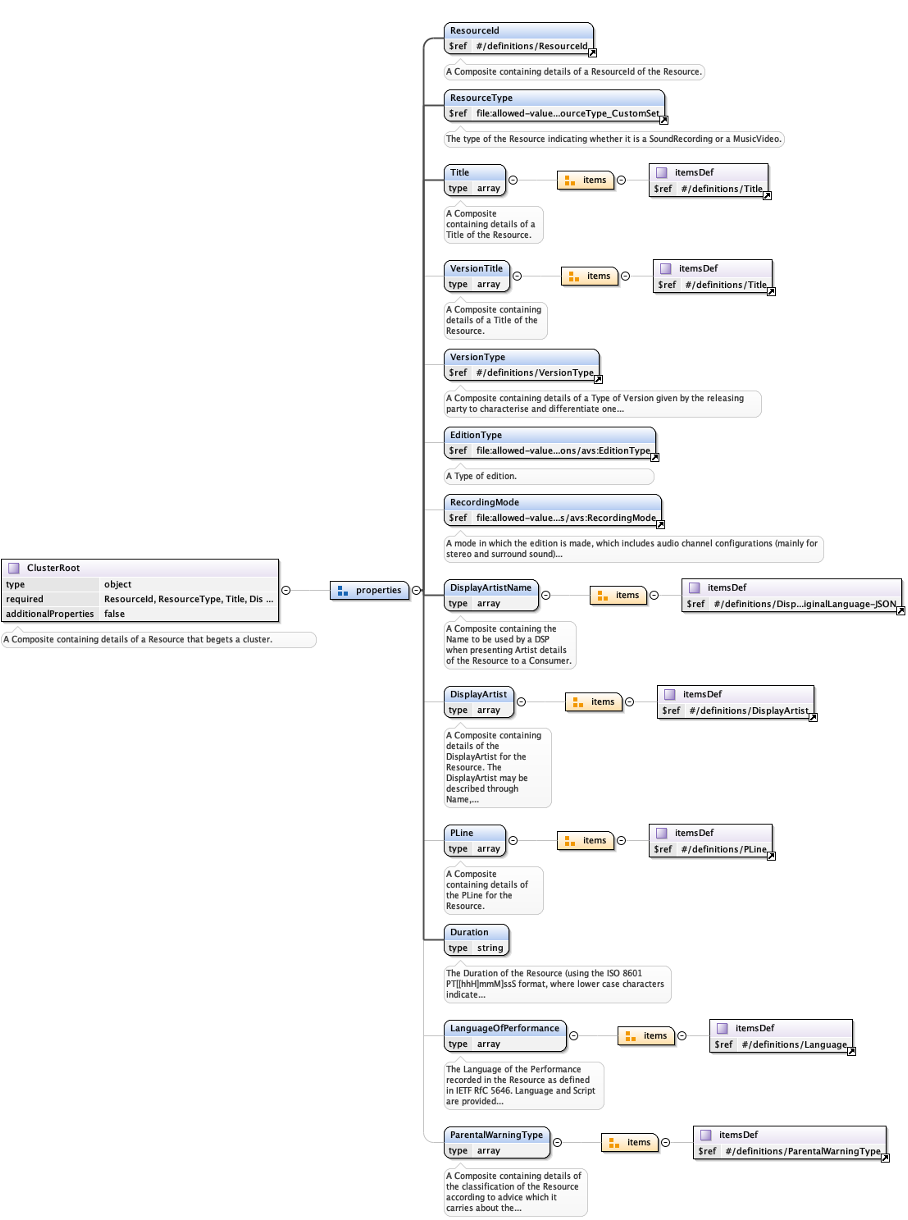
Figure 7 – Structure of the ClusterRoot composite
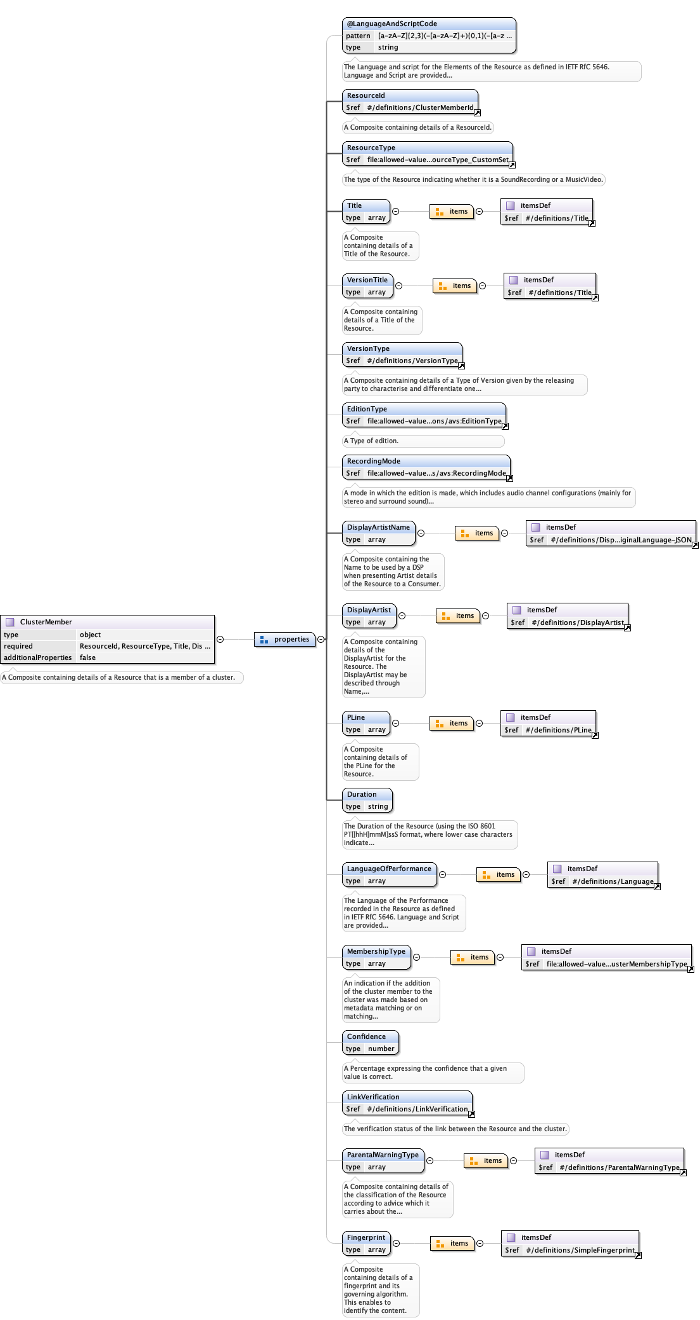
Figure 8 – Structure of the ClusterMember composite